Journal

Who Moves the Threshold? Notes on Four Years of Curating at aaploit
Four exhibitions, four years, one recurring question: who decides what an artwork is reacting to? Looking back at Kumagae Yuna, Asano Miyabi, and Michimata Aoi, this essay argues that no one does, not the market, not the museum, not even the curator. Each artist instead stays faithful to an inherited system, be it a unit of value, a Renaissance style, an irreversible printmaking technique, until that system's own violence becomes visible without a word of protest. Read through Camus's idea of revolt, this quiet staying-in-place turns out to be the real discovery: contemporary art doesn't just register the present, it slowly rewrites the instrument used to measure it.
What Is Picked Up, What Is Left
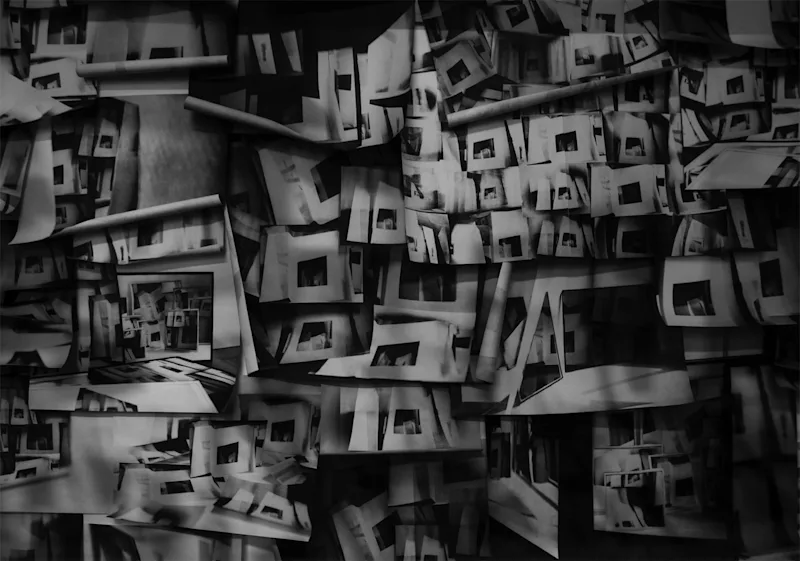
One sheet was chosen, another was not. Set them side by side, and you still cannot say why. What happens here is not selection but extraction. On Tsutsumi Asano, "In progress - Unfolded" (aaploit, 4-26 July 2026).
Haginaka Mayu's Mezzotint
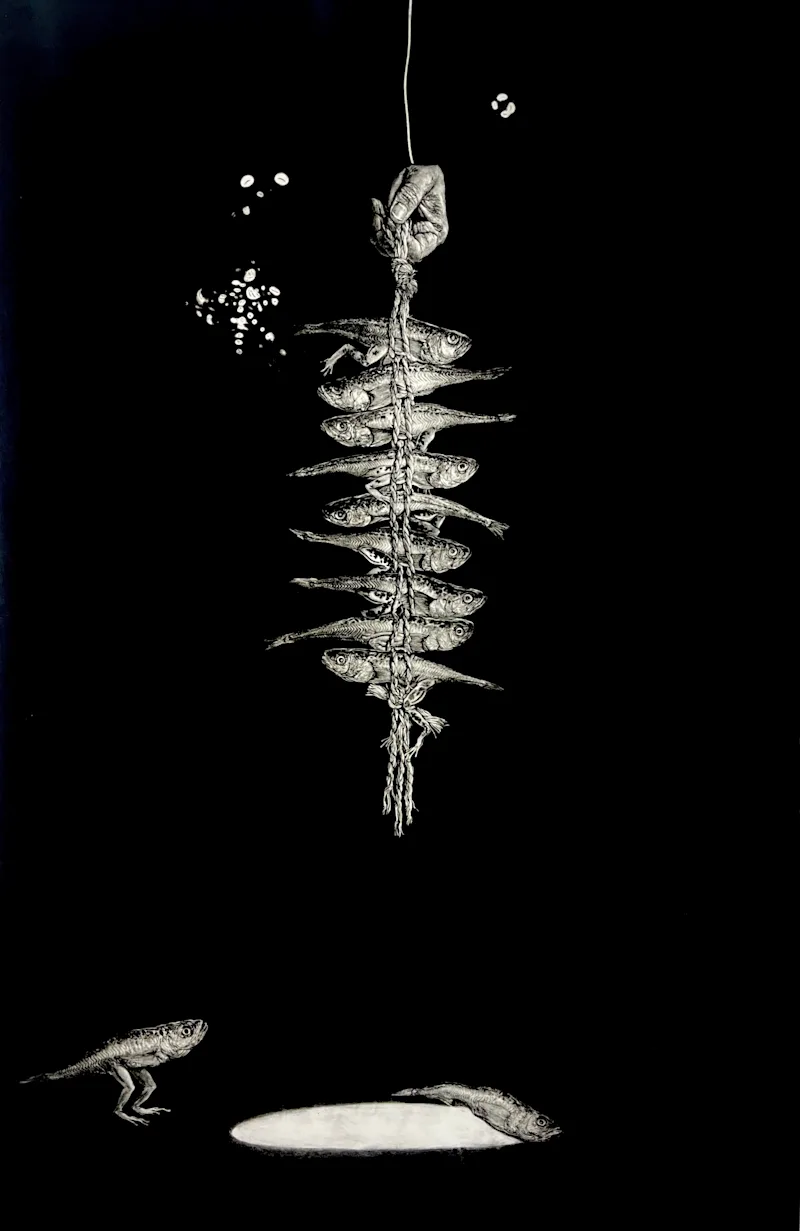
Haginaka Mayu works in mezzotint, the old intaglio technique in which black and white are raised from a copper plate worked over with countless burrs, then scraped and burnished away. This essay begins with the material depth of that black — a black that holds light even as it sinks, a white that shines brighter than the bare paper — and follows Haginaka's development from a maker of motifs into an artist whose true subject is black itself, pursued by varying a multitude of parameters: the gauge of the tool, the count of the graining, and more. In the large work Himono Escape, the sun-dried fish strung on a cord each grow legs and are rendered as distinct creatures, individuated rather than massed — a quiet refusal of the anonymity, the othering, that reduces lives to foodstuff. The gravity of the mezzotint black lifts this absurd, faintly comic escape drama to the threshold of life and death, until it holds a question of existence itself. Kin in spirit to Hasegawa Kiyoshi, who once re-created la manière noire through his own inquiry, Haginaka stands at a beginning, not an arrival.
The Invisible Made Visible: Pierre Huyghe, AnnLee, and What the AI Age Inherits
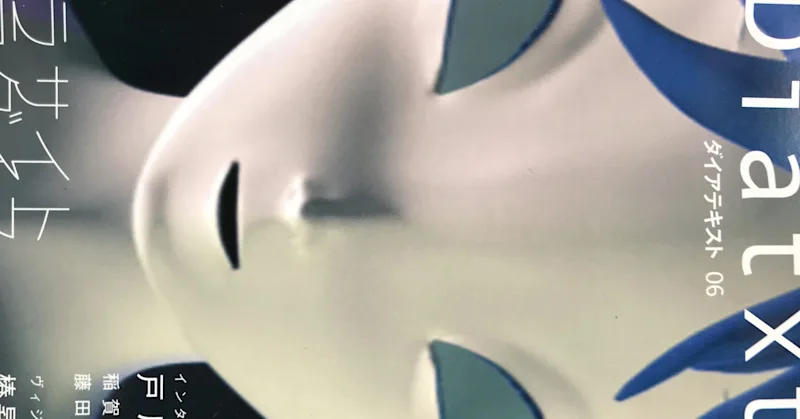
In 1999, Pierre Huyghe and Philippe Parreno purchased AnnLee—a discarded manga supporting character from an Akihabara animation company—for 46,000 yen. They retrieved her knowingly. Written from the intersection of contemporary art practice and AI business consulting, this essay asks what Huyghe's sensitivity to invisible rights reveals about the cultural machinery now driving generative AI.
Fictive Botany: Kumagai Ayano's Practices
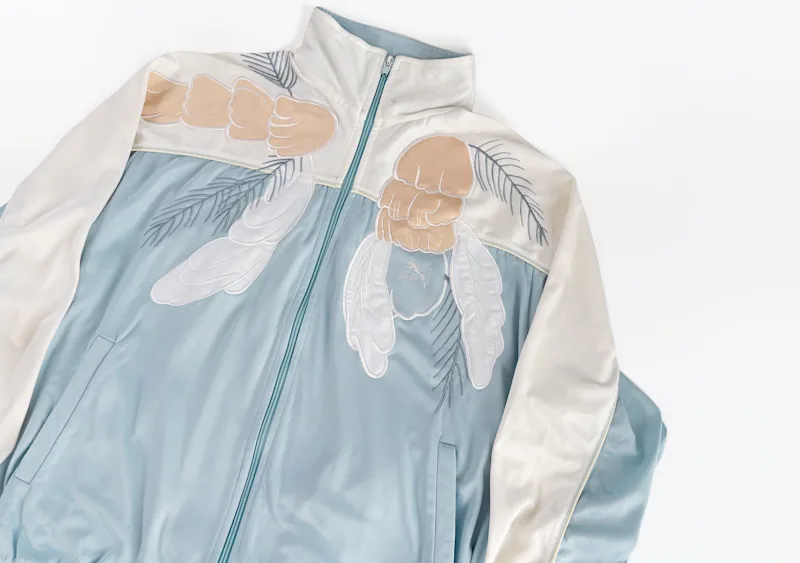
The plants Kumagai Ayano depicts do not exist. What spreads across signs that have lost their readers is a vegetation that does not yet have a name.
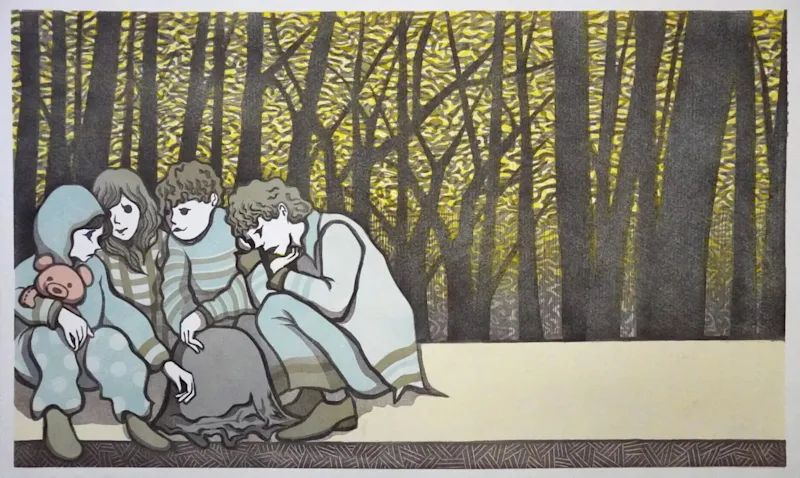
Irreversible Impressions: Michimata Aoi and the Staircase You Cannot Climb Back
In Michimata's woodblock prints, a reproductive medium that cannot reproduce meets a staircase you cannot climb back. Each carved layer is permanent. Each step, once passed, changes shape behind you.
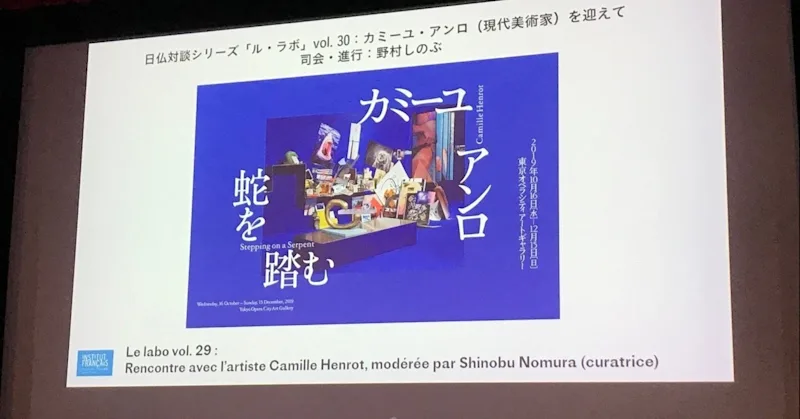
What Still Transmits: Camille Henrot's Ikebana and the Problem of Translation
Camille Henrot's work stages a paradox of translation: cultures may remain fundamentally untranslatable, yet something continues to circulate between them. In the ikebana series Is it possible to be a revolutionary and love flowers?, books are translated into floral arrangements, transforming language into form. Rather than resolving cultural difference, Henrot makes its limits visible, suggesting that meaning often emerges not through perfect understanding but through the persistence of imperfect transmission.
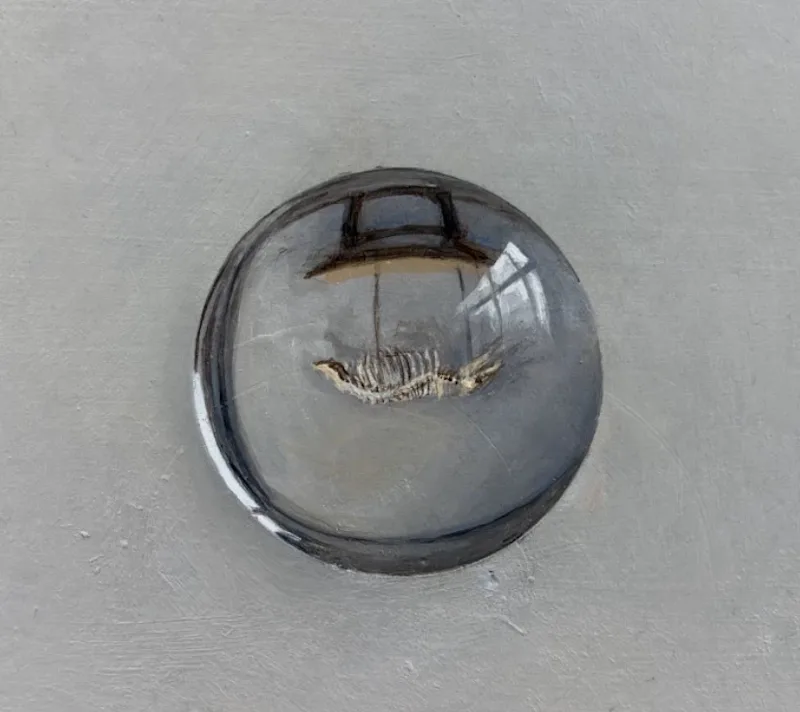
The Distance of Seeing: Takahashi Misaki
Takahashi Misaki’s paintings are less about objects than about the distance from which we see them. Working with skeleton models, skulls, and preserved specimens, she constructs scenes in which the act of looking becomes the subject. In her recent work, this logic culminates in a still life of a human body—leaving the viewer suspended between seeing a person and seeing a thing.
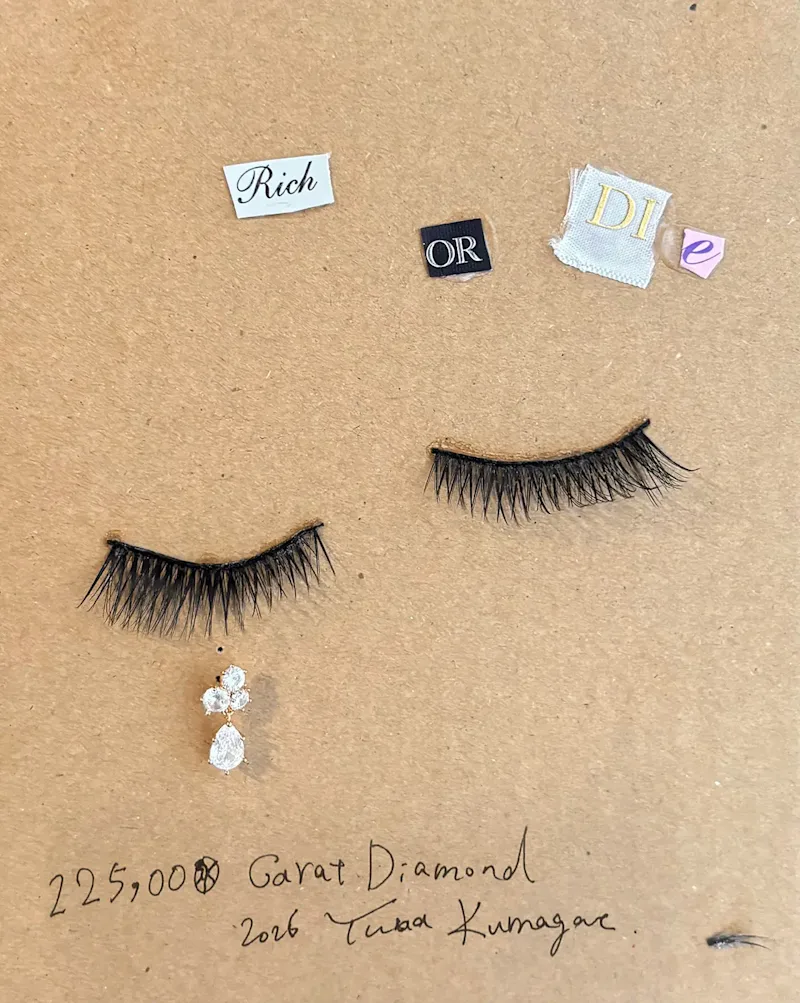
The Ethics of Small Oscillations: On the Exhibition of KUMAGAE Yuna
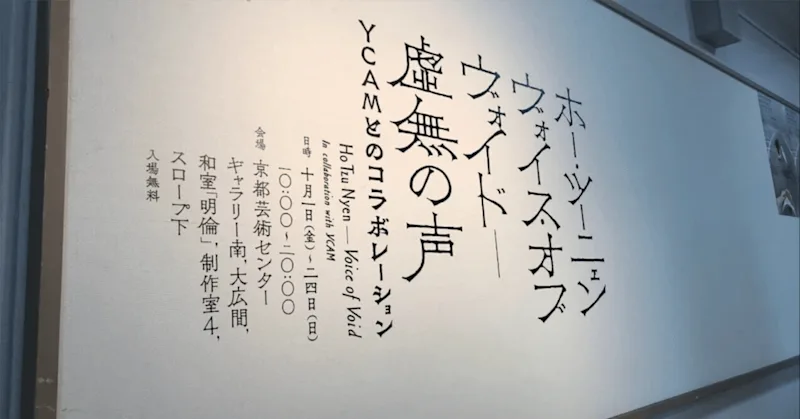
Voice of Void: Ho Tzu Nyen and the Structure of Not Knowing
In Voice of Void, Singaporean artist Ho Tzu Nyen revisits the wartime philosophy of the Kyoto School not to judge its thinkers, but to examine the structure that allowed abstract thought to remain detached from consequence. Through a VR installation that places the viewer inside conditions of restricted perception, the work asks whether the gap between knowing and understanding persists today.
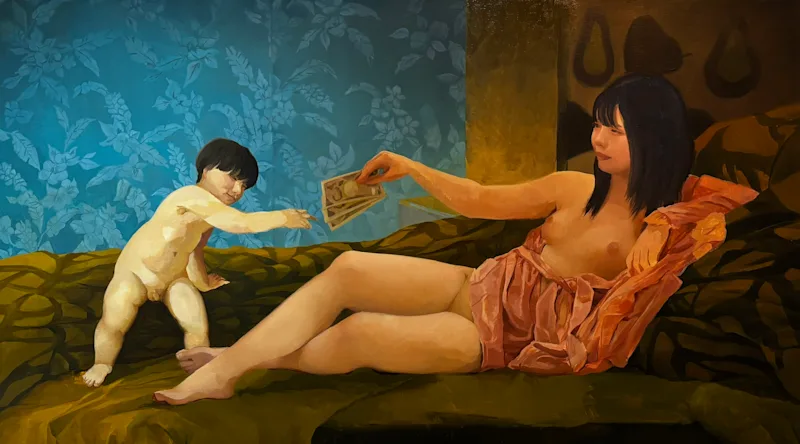
Critical Pastiche: On the Paintings of Asano Miyabi
In paintings by Asano Miyabi, Renaissance compositions are reproduced with striking fidelity while their symbolic structures are quietly inverted. Cupid becomes a host-club tantō, mythological rhetoric gives way to visible economic exchange, and the language of classical painting reveals what it once concealed. This essay proposes the term “critical pastiche” to describe that operation.
Asymmetrical Gazes: On the Power of Looking
Asymmetrical Gazes brings together three artists whose works examine how visual power operates. Drawing on art history, social media imagery, and the technological conditions of the smartphone, Asano Miyabi, Kano Maashu, and Okoshi Madoka each reveal a different site where the act of looking is structured by systems of visibility, mediation, and control.
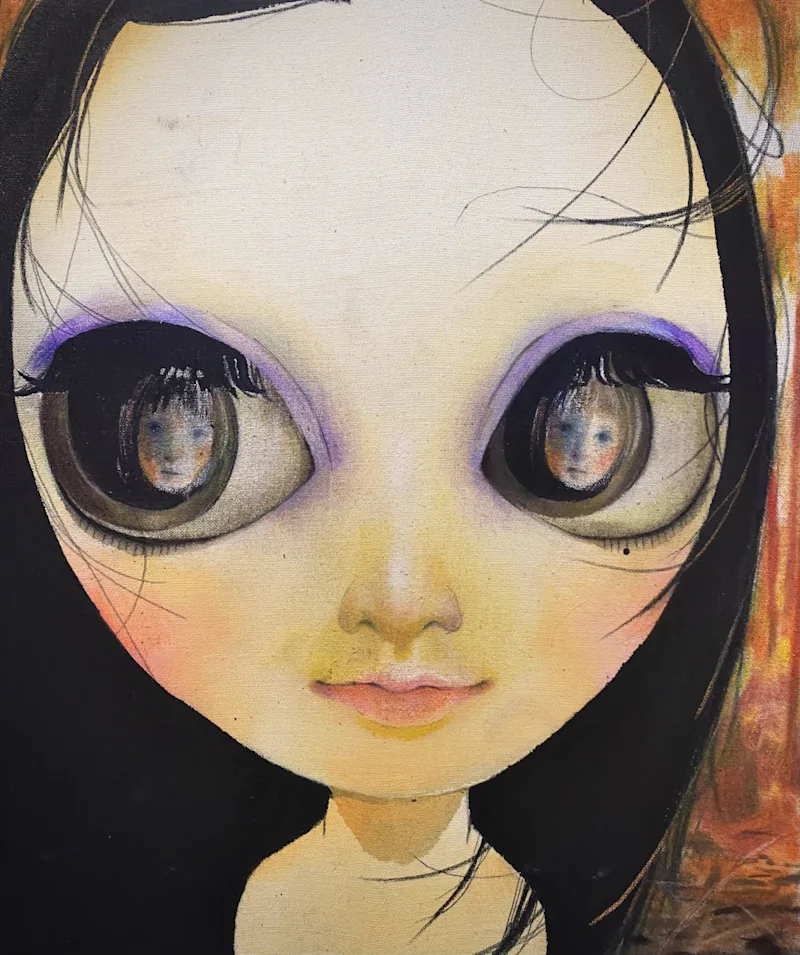
"I Am Probably Not the Right Voice for These Paintings" by Ishiguro Hikaru
In I Am Probably Not the Right Voice for These Paintings, Ishiguro Hikaru’s works are positioned at a distance from language. Made with cotton cloth, ink, and mineral pigments that settle unpredictably into the fabric, the paintings emerge from an encounter between intention and material agency. Modest in scale, they require close viewing and sustained attention, unfolding according to a slower, asynchronous rhythm of perception.
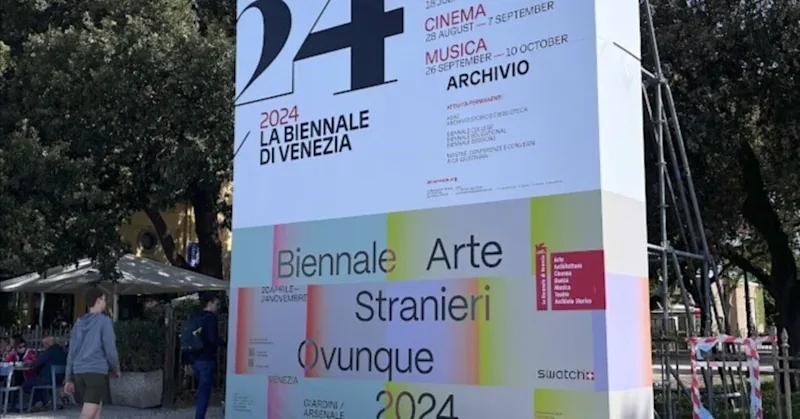
Foreigners Everywhere: Experiencing the 60th Venice Biennale
At the 60th Venice Biennale, titled Stranieri Ovunque / Foreigners Everywhere, curator Adriano Pedrosa proposed a world seen through the condition of the foreigner. Moving through the exhibition, I became aware that this condition was not simply a theme but a position the viewer inevitably occupies—within the Biennale, within the city of Venice, and within global cultural circulation.
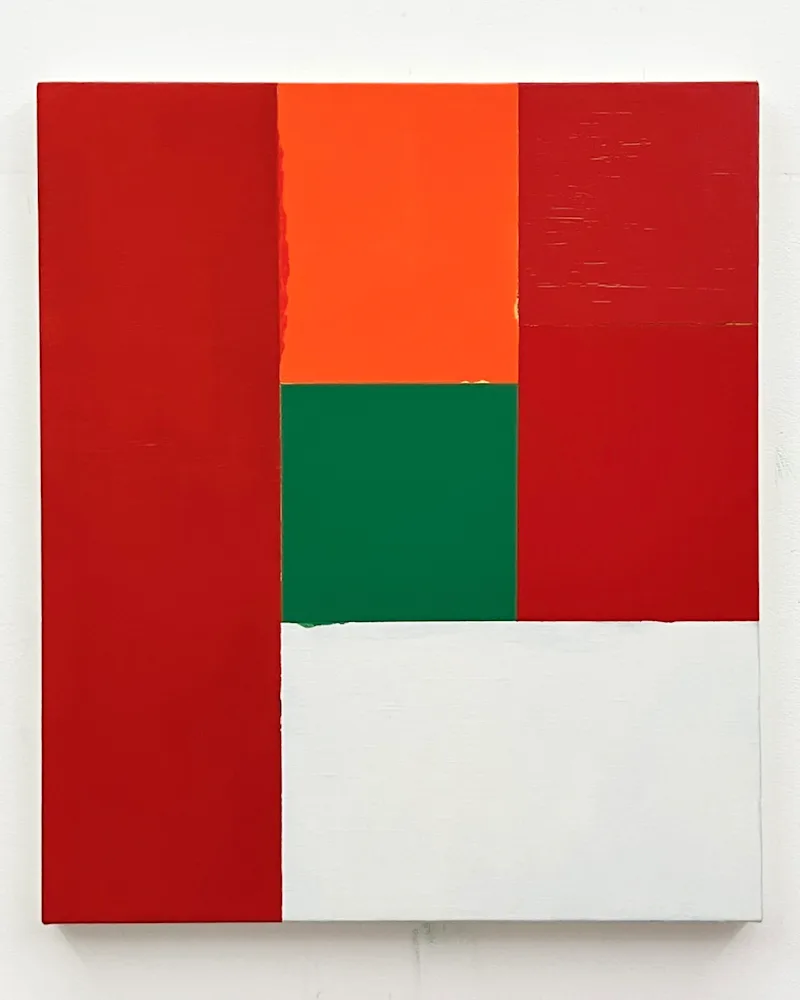
"Ken" (圏): Osa Seiichiro's Painting Practice
Osa Seiichiro builds the picture plane through successive layers of paint — not as depiction of depth but as sedimented time. The concept he calls ken (圏) is not a formal strategy but an ontological proposition.
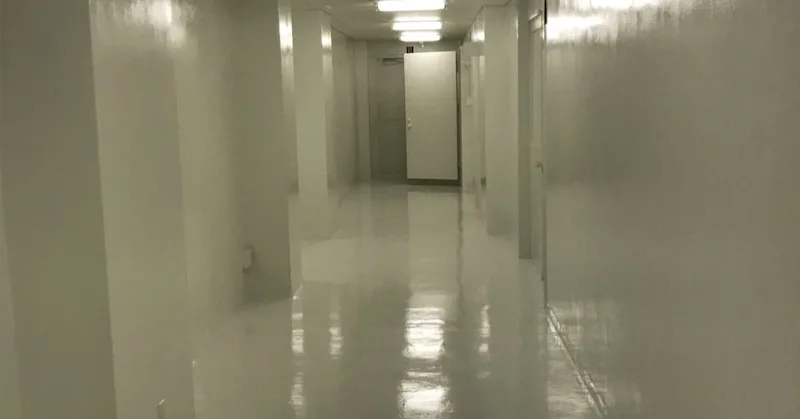
Paradoxical Dépaysement in Gregor Schneider's Spatial Practice
In his spatial installations, Gregor Schneider places viewers inside sequences of nearly identical rooms where perception gradually loses its frame of reference. The experience produces what I call Paradoxical Dépaysement: a condition in which immersion and critical distance arise simultaneously, forcing viewers to search for differences within an absence of difference.
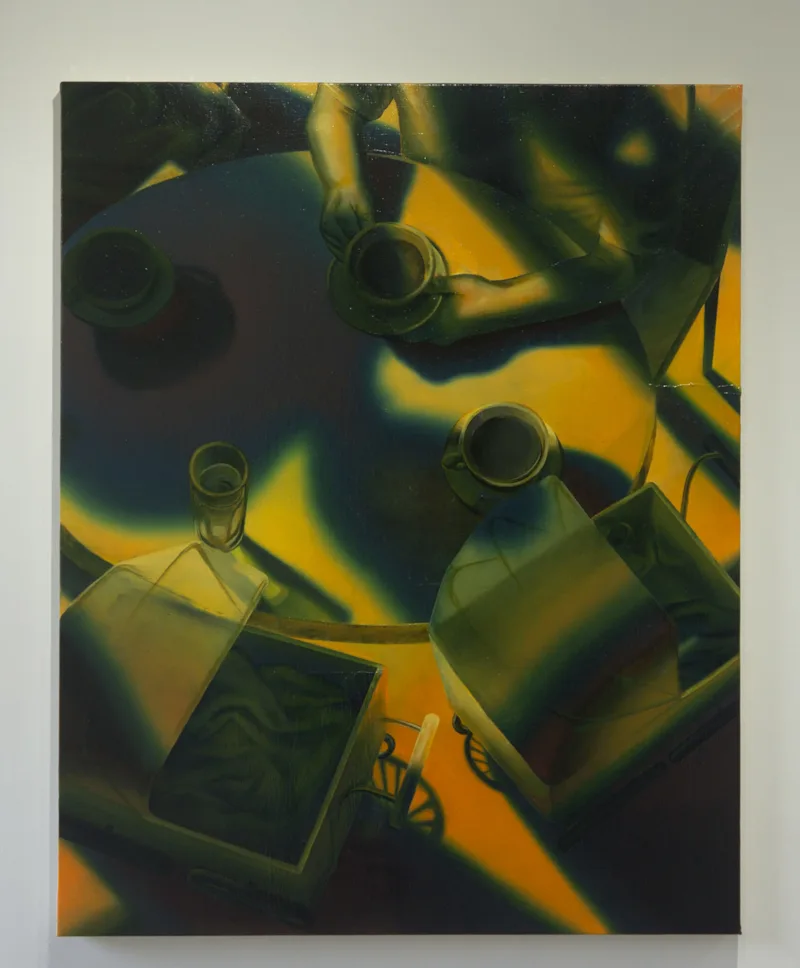
Light Dwelling in Shadows: Tazaki Ari's "reunion"
In reunion, Tazaki Ari constructs a scene structured by absence. Empty baby strollers appear throughout the composition, standing in for unseen figures. At one moment, what seems to be a person resolves instead into a stroller through the logic of its shadow. In that brief correction, the viewer becomes aware of the act of looking itself—of constructing meaning from light, shadow, and surface.
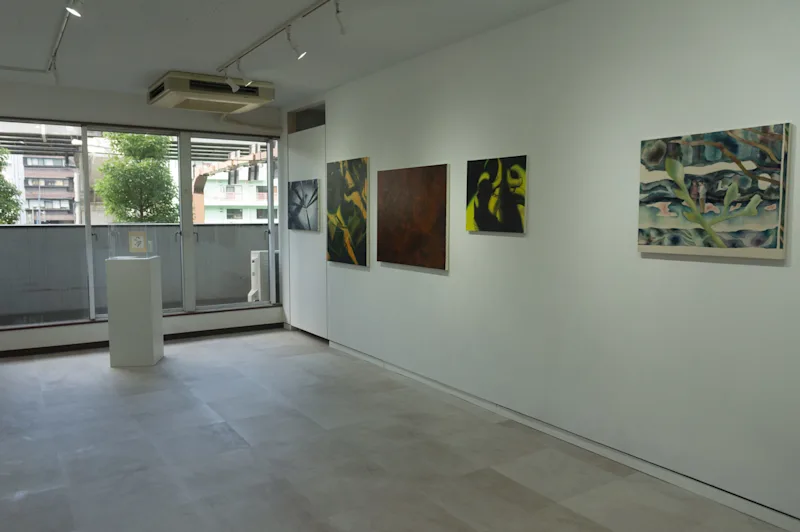
Chiasme: On Seeing and Being Seen
Drawing on Maurice Merleau-Ponty’s notion of chiasme—the intertwining of seeing and being seen—this exhibition brings together four painters whose works return the act of looking to the viewer. Through shifting surfaces, structural frames, and unstable spaces, the paintings require presence and movement. The viewer cannot remain outside; perception becomes an entanglement in which seeing and being seen unfold together.
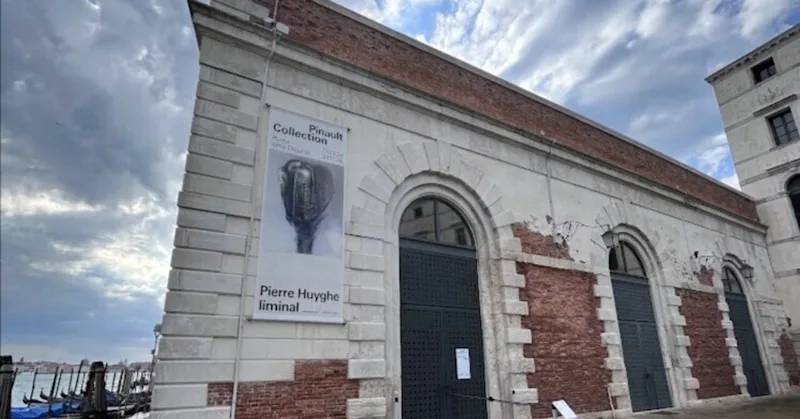
Pierre Huyghe: Liminal – A Japanese Perspective
In Liminal, Pierre Huyghe constructs exhibitions not as finished works but as living systems that evolve through time, viewers, and circumstance. Seen first at Punta della Dogana and later at Leeum Museum of Art, the exhibition revealed how translation across institutions and cultures reshapes the work itself—adding clarity in some contexts while removing the disorientation that Huyghe deliberately designs.
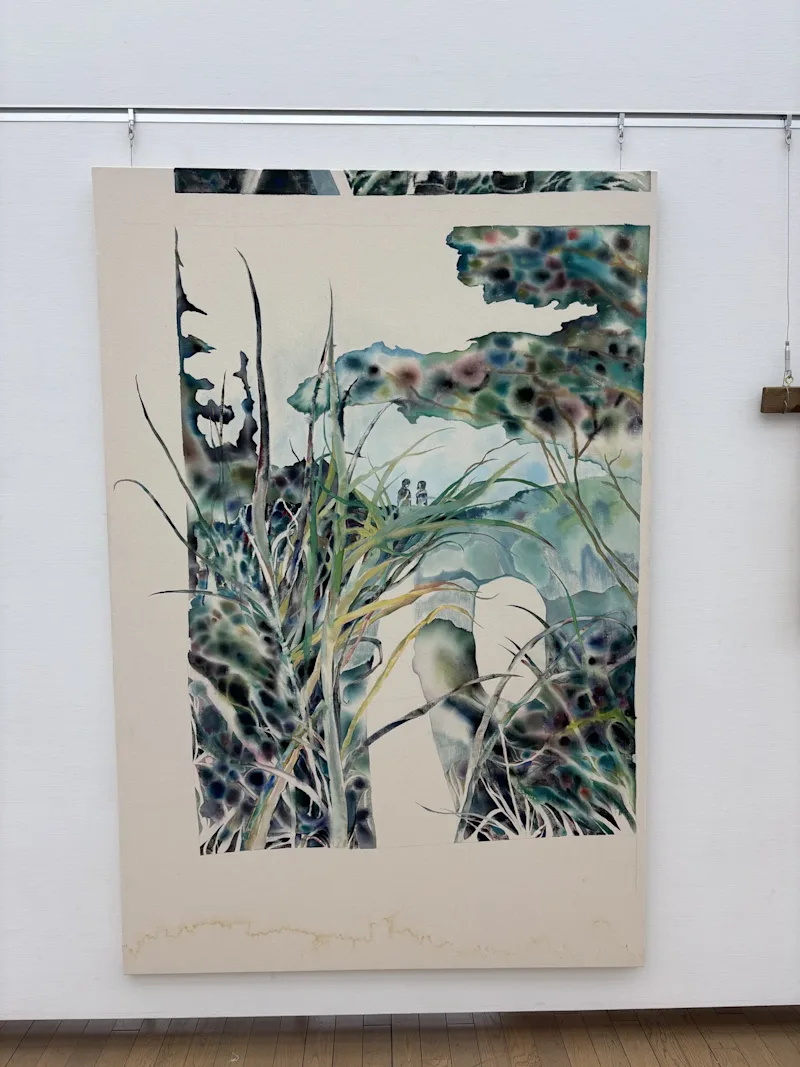
"Yuri-shiro-iro no" by Matsuda Nayuko
In Yuri-shiro-iro no, Matsuda Nayuko constructs a landscape that unfolds gradually to the viewer’s eye. Susuki-like plants appear in the foreground, followed by two small figures facing one another, and a forest beyond. Within the composition, several voids resist clear interpretation, sustaining a quiet openness in which forms remain in motion and meaning never fully settles.
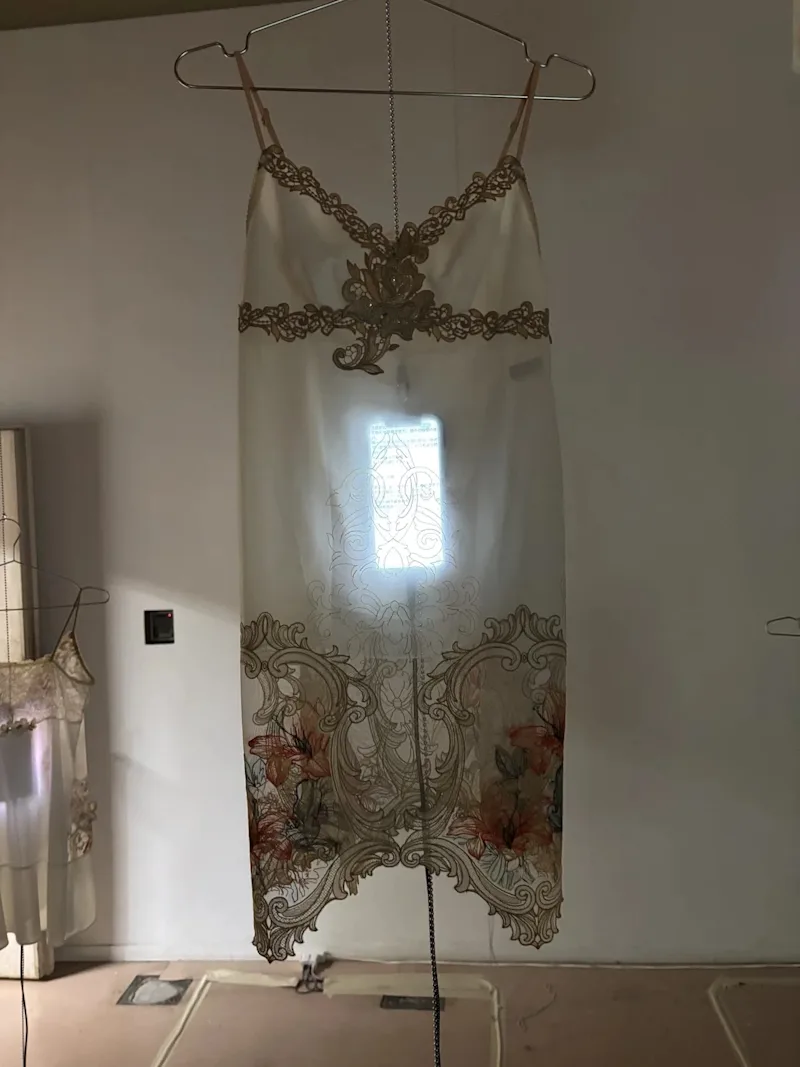
"Thank You, December 31st" by Asano Miyabi
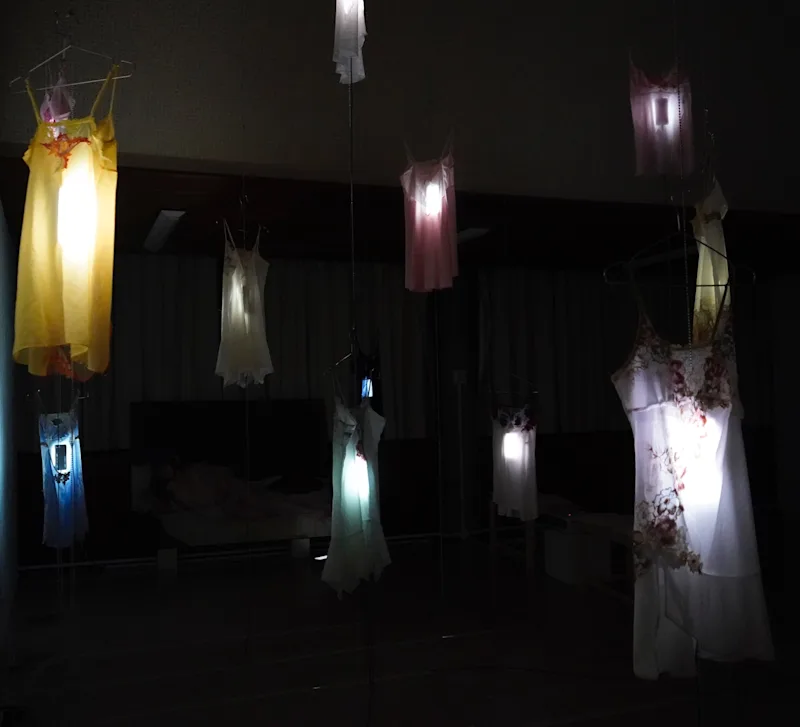
In Thank You, December 31st, Asano Miyabi presents fragments of an intimate exchange between sex workers and their clients. Camisoles hang from the ceiling, each softly illuminated by a smartphone screen displaying messages that switch before they can be fully read. Through this double veil of fabric and light, the work invites the viewer to look while withholding complete access—revealing a social reality that art history has often chosen not to see.
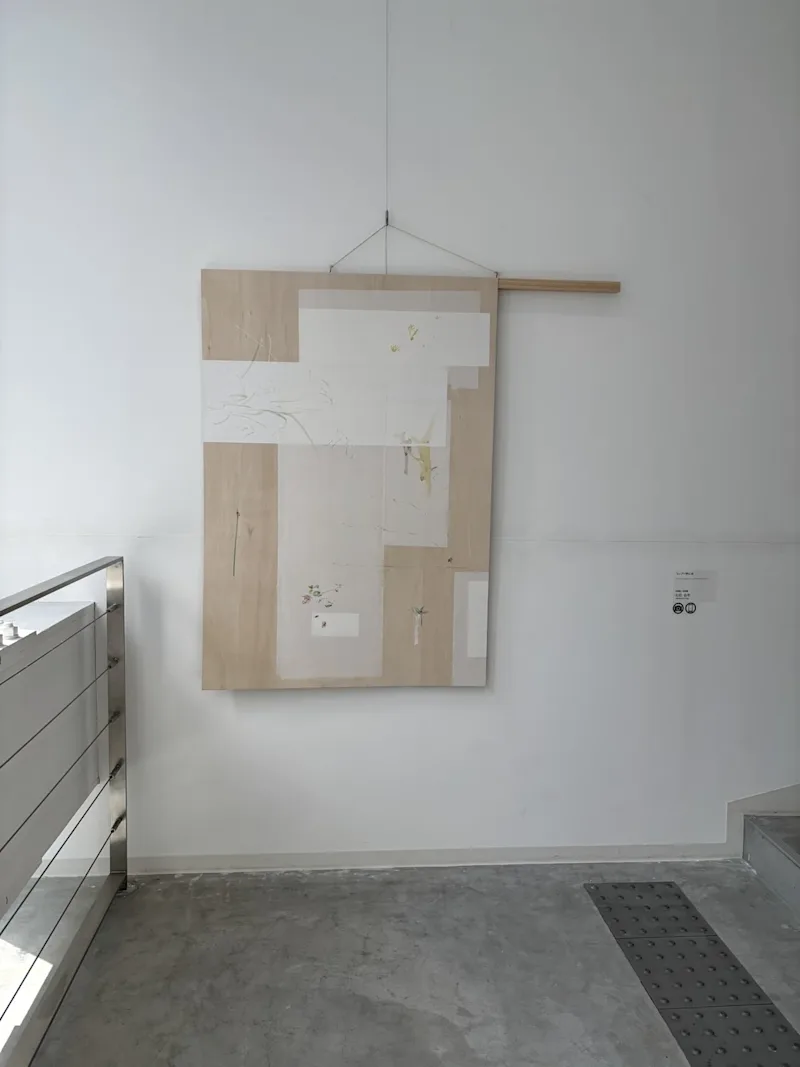
"A Vessel Filling a Cup, Breathing Within" by Ishimatsu Yufu
Installed on a staircase landing, Ishimatsu Yufu’s A Vessel Filling a Cup, Breathing Within unfolds gradually as viewers move through the space. Painted on warped Shina plywood with Japanese paper adhered to its surface, the work shifts subtly with changing light. Rather than demanding a fixed viewing position, the painting emerges through movement, revealing an image that drifts between support and surface.
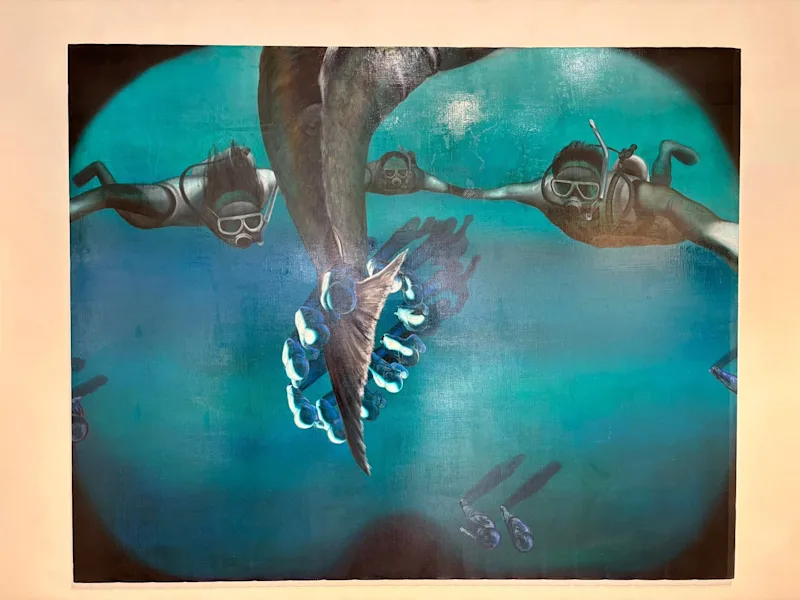
"Endless Circle" by Tazaki Ari
In Endless Circle, Tazaki Ari constructs a scene that gradually resolves from darkness: divers forming a ring around a fish, their shadows multiplying the circle across the surface. The goggle-shaped frame places the viewer inside the scene itself, looking through the same lens as the divers. The circle does not end at the edge of the canvas—it extends into the space where the viewer stands.
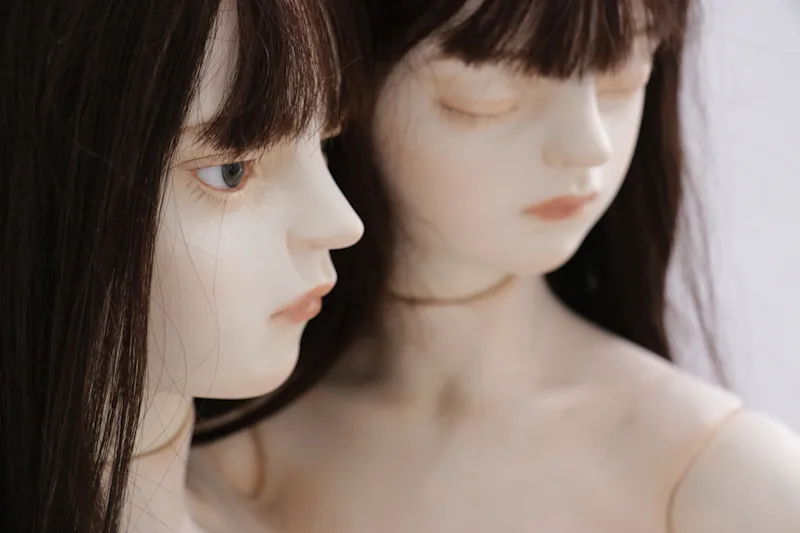
“Moonwhite Castle” by SATO Raimu
Moonwhite Castle (2023) by SATO Raimu is a ball-jointed sculpture with two heads on a single nude body, installed directly on the floor to disrupt conventional display. Constructed from stone powder clay, modeling paste, oil paint, and human hair, it inhabits a space between corporeal presence and visible articulation. The dual heads destabilize singular identity, creating a psychological tension that invites reflection on multiplicity, projection, and the constructed nature of selfhood.
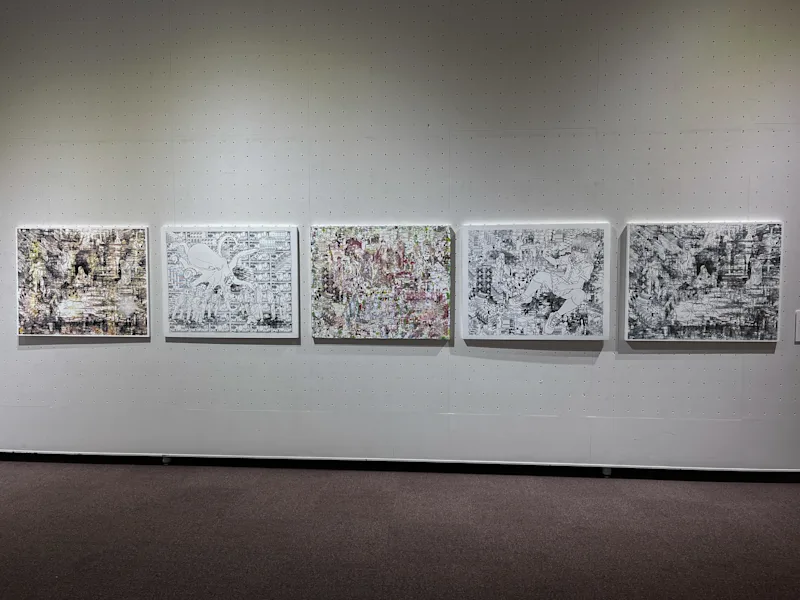
"Girl Worship" KANO Maashu
Girl Worship brings the structure of belief into the present. Drawing on religious iconography, social media imagery, and silkscreen reproduction, KANO Maashu traces how devotion—whether directed toward God, money, or the screen—repeats the same gesture of self-offering across time.
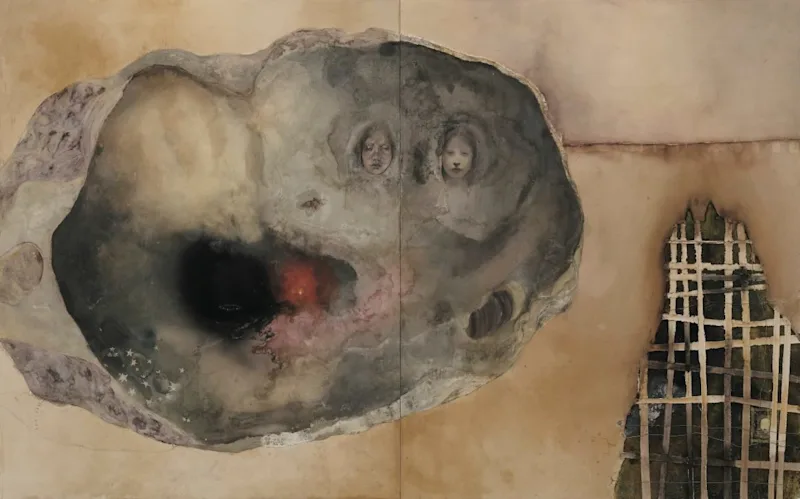
“Utsuse no Himitsu ha Watashi nomi zo Shiru” by Ishiguro Hikaru
Ishiguro Hikaru’s large-scale painting unfolds less as an image than as a surface of layered perception. A lattice structure recalling the framework of earthen walls opens onto a vertiginous depth where faces, stars, and distant forms drift without fixed meaning. The work ultimately turns toward a quieter question: whether the boundary between the inner self and the surrounding world ever truly existed.
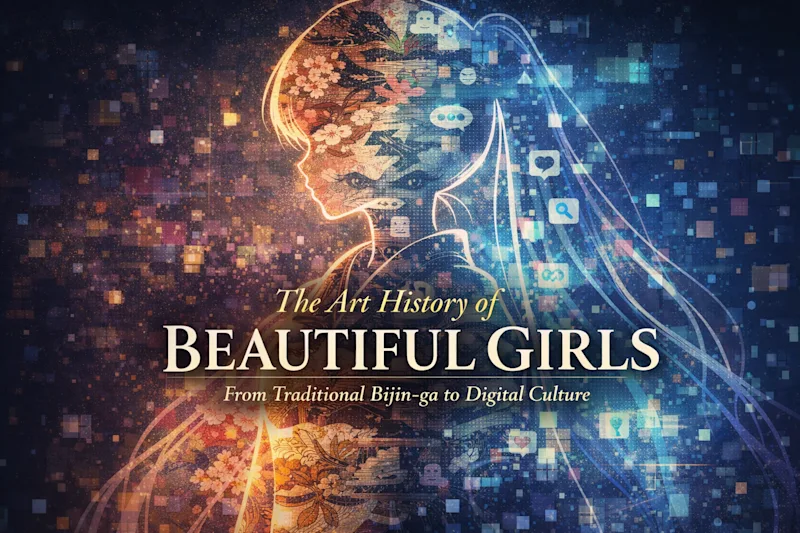
The Art History of Beautiful Girls: From Traditional Bijin-ga to Digital Culture
The Art History of Beautiful Girls begins by rejecting the traditional category of bijin-ga in favor of bishōjo, reframing the figure of the beautiful girl as a media construct rather than a fixed art historical type. From Meiji-era girls’ magazines to contemporary digital culture, the exhibition traces how this figure has functioned as an open form—shaped collectively through repetition, transformation, and reception.