Aletheia
ASANO Miyabi, ISHIGURO Hikaru, ISHIMATSU Yufu, MATSUDA Nayuko, SHIRAI Sakurako, TAKAHASHI Misaki, TANABE Motoha, YASUMURA Hinako
In June 2026, aaploit presents Aletheia, a group exhibition marking the gallery's fourth anniversary.
The exhibition is composed around painting, bringing together eight artists. Each work lays bare the conditions through which something comes to be there.
The very conditions for something to be there are constructed from the ground up. What flows beyond control — the drift and stain of material — is taken in. Layered accumulations of the gaze are distilled into a single oil painting. The act of painting itself is exposed on the surface, uncovered.
Distinct intensities of "appearing" intersect, quietly addressing the viewer who stands before the work. This is the structure of the exhibition.
Aletheia (ἀλήθεια) is the word through which Martin Heidegger returned to the ancient Greek root of "truth." A-letheia — that which is not concealed. The withdrawal of the veil; the movement by which something comes forth into appearance.
Since beginning its activities in June 2022, aaploit has pursued the reciprocal movement between criticism and works of art, with the exhibition as its site of practice. At this fourth-year juncture, the gallery opens the question — what does it mean to be a place where something appears — together with the practice of eight artists of critical depth.
Aletheia
- Dates
- June 5 – June 28, 2026
- Hours
- Friday, Saturday, Sunday 13:00–18:00 Viewings by appointment available on other days
- Venue
- aaploit, Tokyo
Artists
ASANO Miyabi
b. 2000
Asano Miyabi works in oil painting and installation, addressing the asymmetry of the gaze as it has persisted throughout Western art history. Adopting the compositions of Titian and Palma il Vecchio, she mischievously subverts the sexual and economic structures that classical painting concealed beneath mythological rhetoric. Her work is grounded in sustained dialogue with sex workers, confronting their lived experiences. At the root of her practice is anger toward the misogyny that pervades both art history and contemporary society. MFA, Aichi University of the Arts. Born in 2000 in Aichi, Japan.
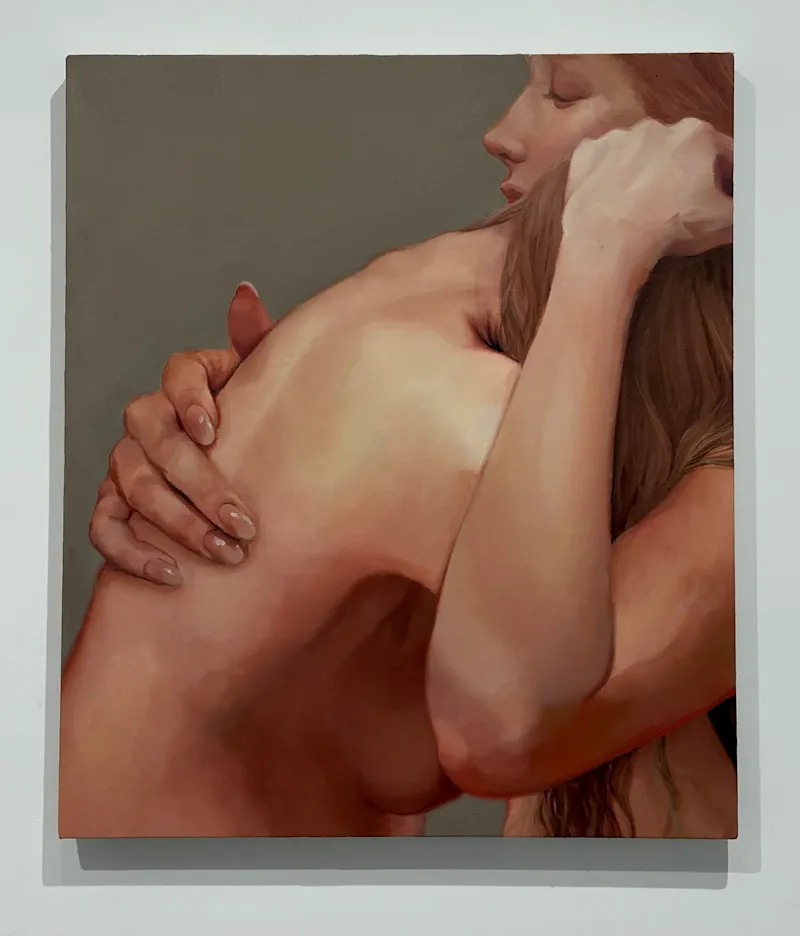
Discomfort, 2026, Oil on canvas, 530 × 455 × 37 mm
ISHIGURO Hikaru
b. 2002
Positions painting at the interface arising between the material and spiritual realms. Retrieves the contours of unspoken dissonance, tremors, and presences stripped of substance.
Selected exhibitions include witch craft (solo, haco-art brewing gallery-, Tokyo, 2024) and Chiasmus (group, aaploit, Tokyo, 2025). Awards include the Excellence Award, 44th International Takifuji Art Award (2023) and the Special Prize, 9th Ishimoto Sho Nihonga Grand Prize Exhibition (2024).
Born 2002 in Yamagata, Japan. Tohoku University of Art and Design, BFA and MFA in Japanese Painting.
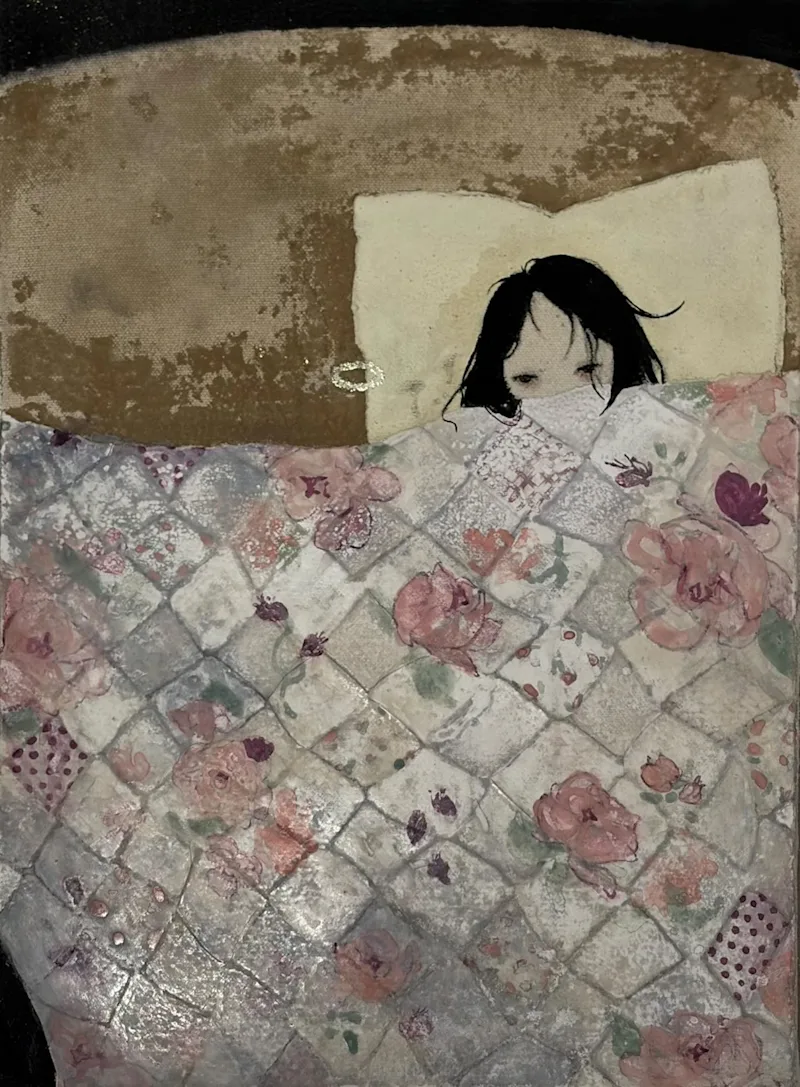
Nai, 2024, Mineral pigments (iwa-enogu), pigment, sumi, and animal glue on cotton, 340 × 230 × 43 mm
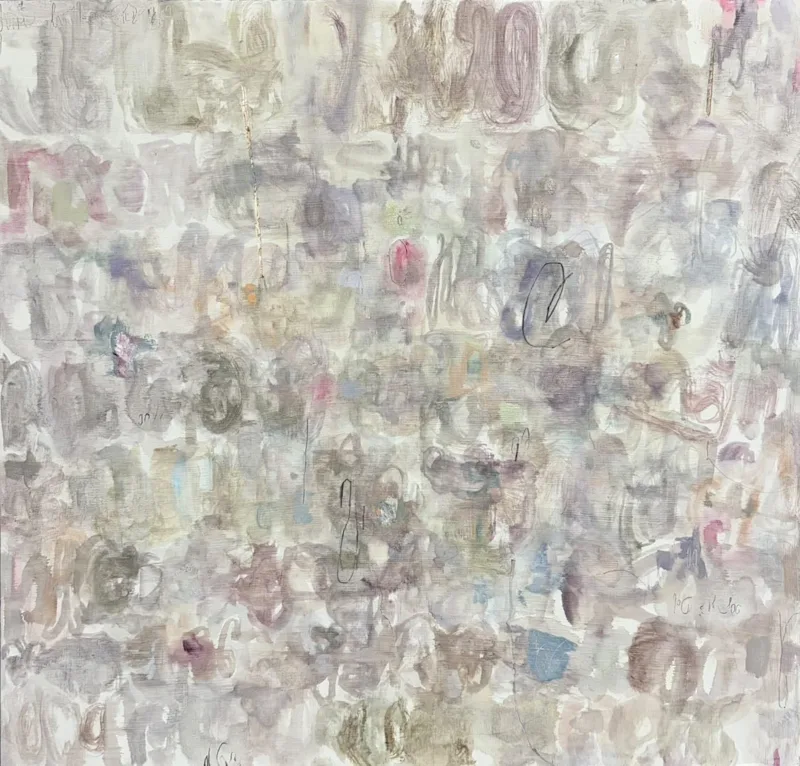
Looking Closely, One by One, 2026, Oil on chalk ground on panel, 416 × 430 mm
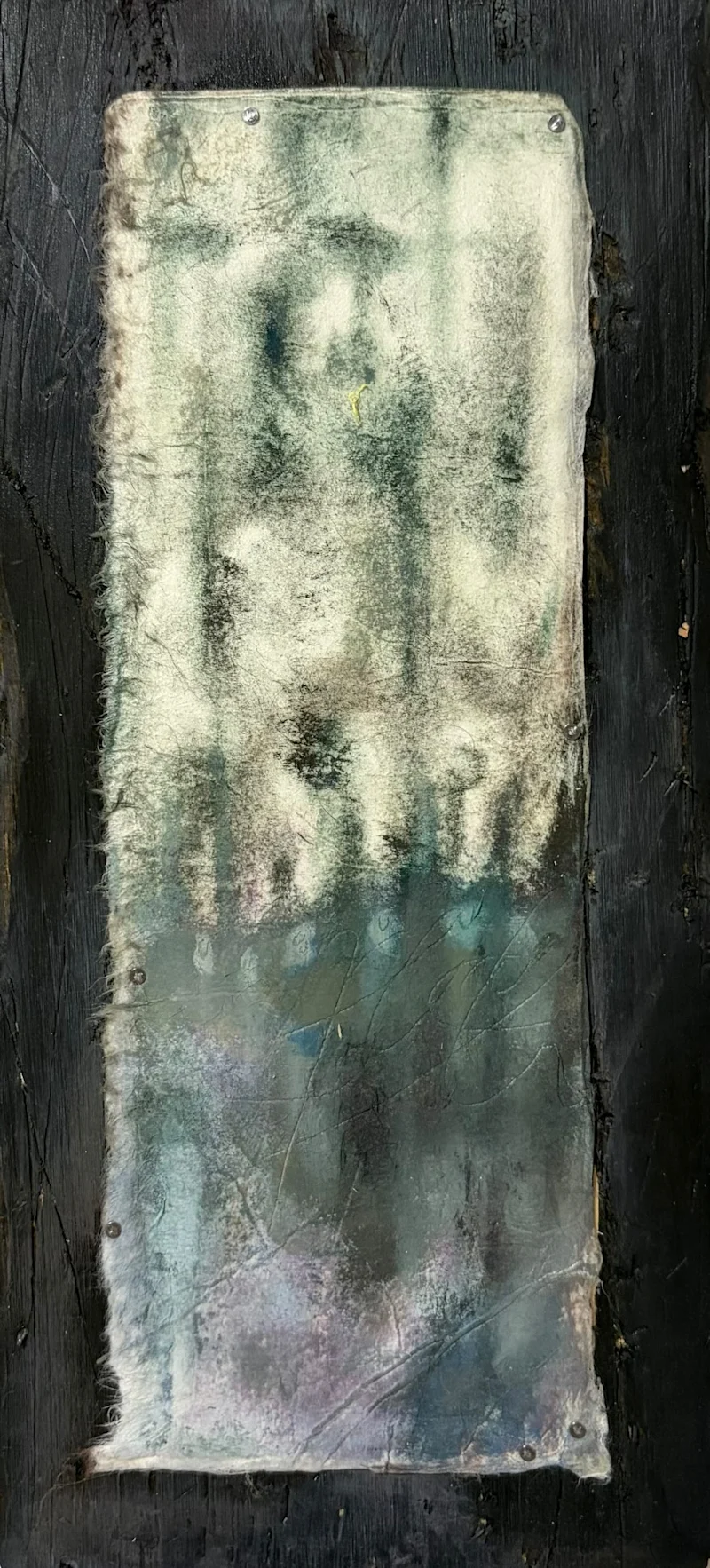
Gently Burning, 2026, Oil on Japanese paper (washi) on panel, 240 × 110 mm
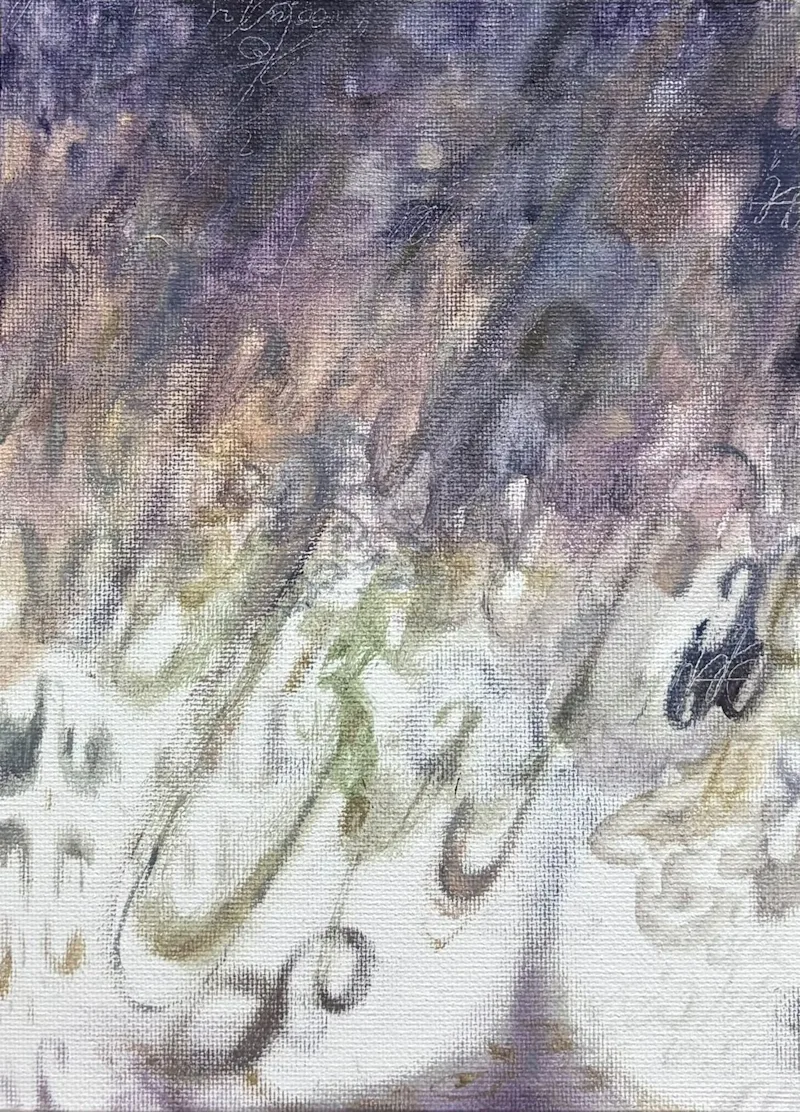
Bestowing Shadow, 2026, Oil on canvas-board , 220 × 160 mm
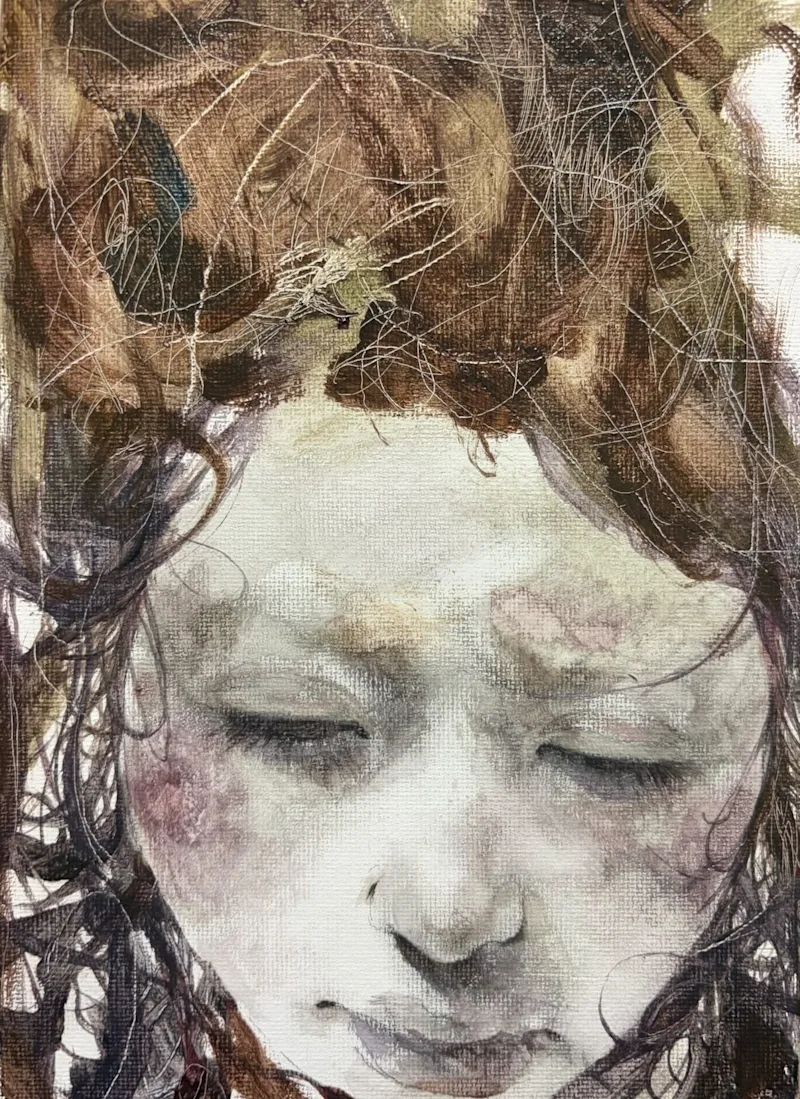
Accepting the Ceaseless Wind, 2026, Oil on canvas-board , 220 × 160 mm
ISHIMATSU Yufu
b. 1999
Ishimatsu Yufu paints plant motifs in mineral pigments, gofun, and sumi ink on Japanese paper mounted on Shina plywood. The image surfaces on both the wooden ground and the paper, drifting between layers. Loosening the transparency that Japanese painting has long granted its support, the picture plane sways with light and with the viewer's movement through space. Born 1999 in Oita Prefecture; MFA in Japanese Painting, Saga University Graduate School of Regional Design (2025).
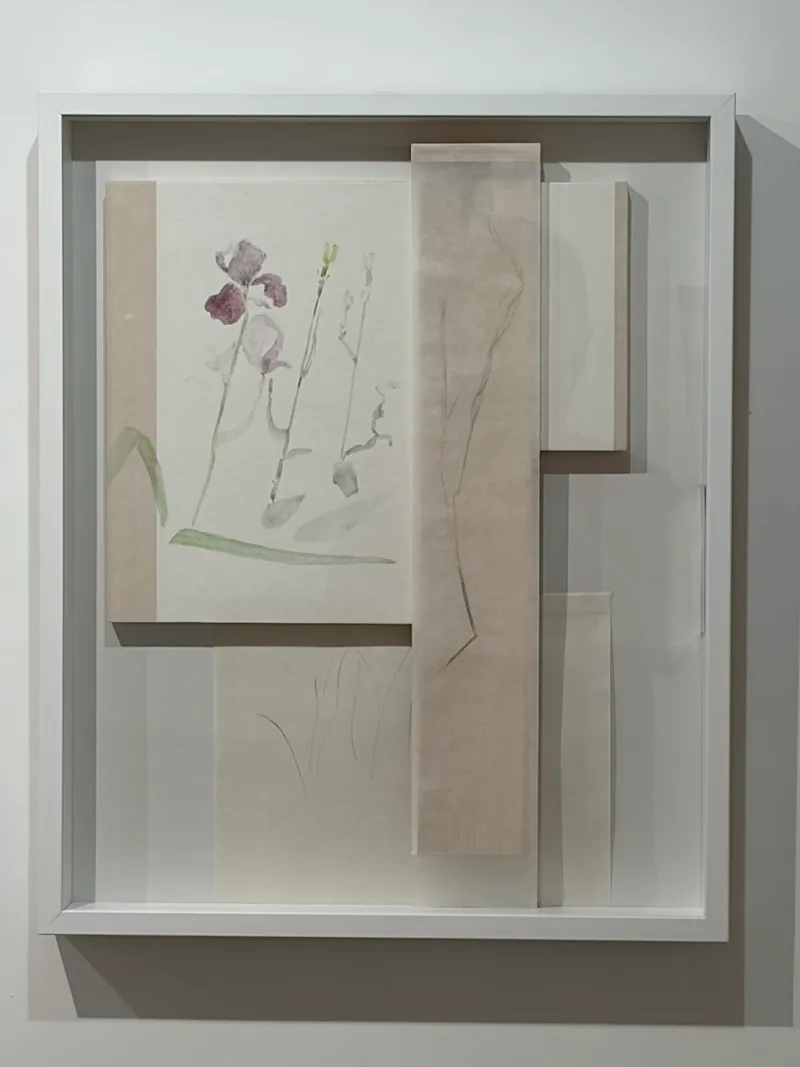
Hashiwatashi, 2026, Mineral pigments (iwa-enogu), mineral pigments (suihi-enogu), shinntorinoko paper, white linen paper, panel, board, aluminum plate, and art box frame, 560 × 460 × 50 mm
MATSUDA Nayuko
b. 2002
MATSUDA Nayuko is a painter who works in stain technique. Controlling the process by which color soaks into raw canvas, she partitions the surface into areas the pigment reaches and areas it does not, treating the border between image and ground with the same intensity as the relations between motifs within the painting itself. Plants, figures, and landscape coexist on the surface, each remaining slightly distinct, and the gaze moves between elements, assembling its own reading.
Born in Aichi Prefecture in 2002. Graduated from the Department of Painting, Oil Painting Course, Musashino Art University, in 2025; currently enrolled in the same university's graduate school. Selected exhibitions include FACE 2024 (Sompo Museum of Art, Tokyo), Inter-University Five Art Schools Exchange Exhibition (Tokyo, 2024), Spring Footsteps II (Suzu Gallery, Tokyo, 2024), and For Want of a Single Needle (gallery33 south, Tokyo, 2023). Recipient of the Special Recommendation Prize at the Inter-University Five Art Schools Exchange Exhibition, Tokyo (2024), and the Encouragement Prize at the 49th Tokyo Exhibition of Art (2023).
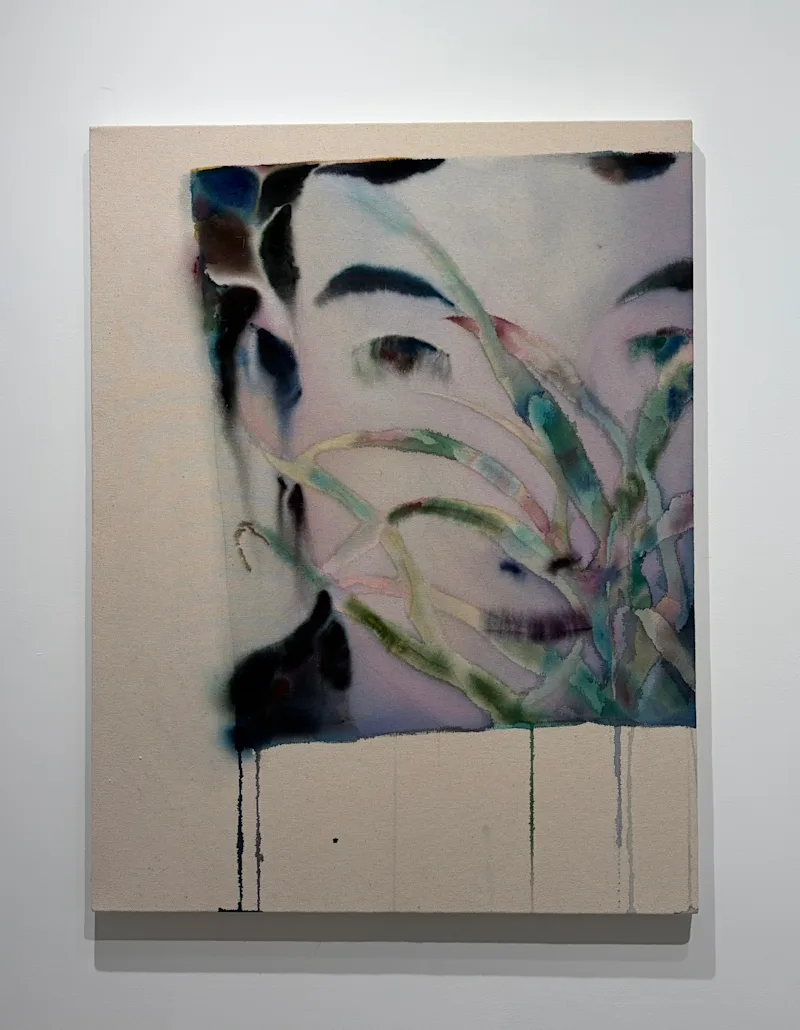
With Eyes Closed, 2026, Acrylic on cotton, 652 × 530 × 25 mm
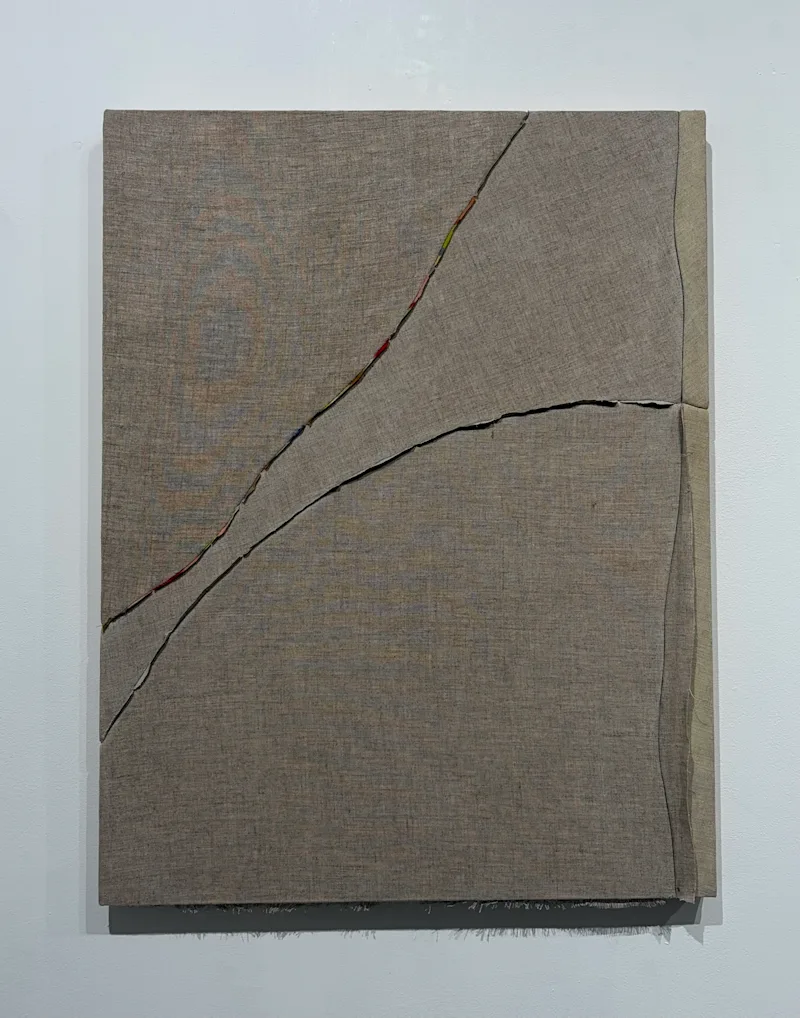
Sukima kara putsu putsu to_04, 2026, Oil on linen, styrene board, and panel, 530 × 430 × 25 mm
TAKAHASHI Misaki
b. 2001
TAKAHASHI Misaki is a painter whose primary motifs are objects that have lost their original function — things that have served their purpose. She approaches painting not as the transcription of what is visible, but as the construction, from the ground up, of the conditions under which a subject can exist within the picture plane. Every point of the background, never given as atmosphere, is held within the same necessity as the subject. When function falls away, structure emerges more purely and its form appears weightless. Such a painting brings the very premise of seeing into view.
Born in Fukushima Prefecture in 2001; based in Tokyo. BFA in Oil Painting, Musashino Art University (2024); MFA in Oil Painting, Musashino Art University (2026).
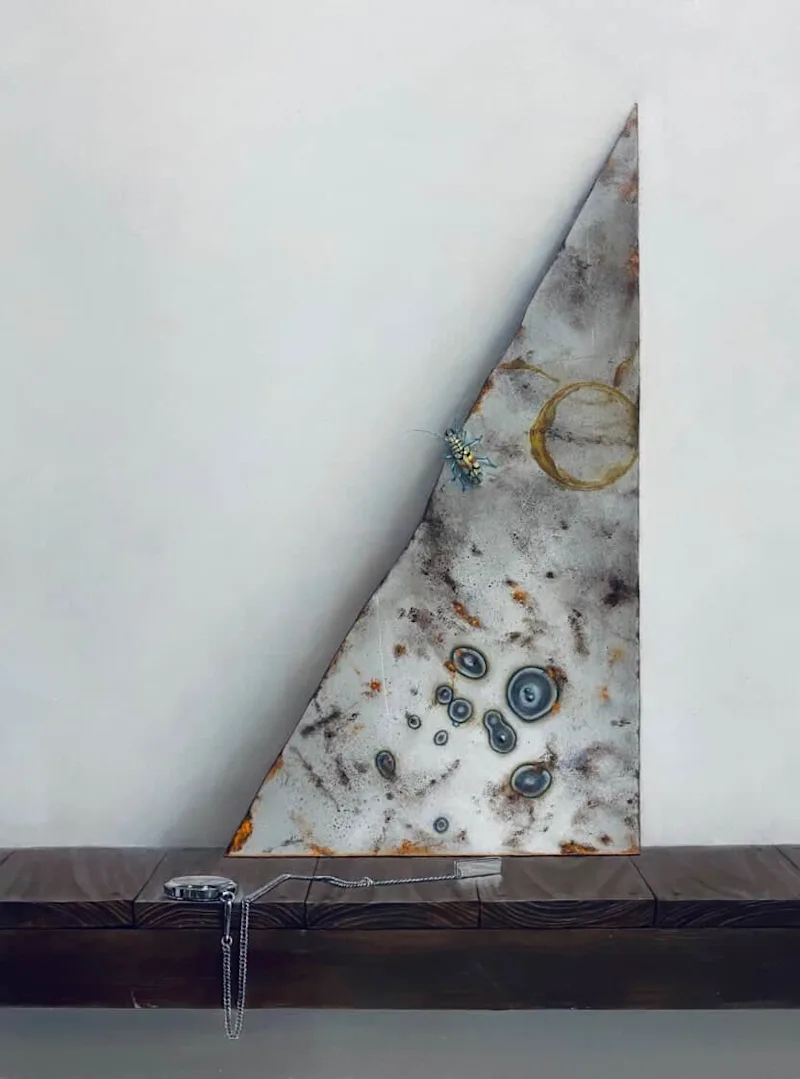
Nothing stays, 2024, 2025, Oil on panel with chalk ground, 567 × 422 mm
TANABE Motoha
TANABE Motoha works in portraiture, asking what it means to recognize another. She begins from dialogue with the sitter and extends her research to family, friends, and strangers who recall the sitter, selecting fragments from a photographic archive that can exceed ten thousand images, and weaving them into a single face. The materiality of the impasto on the canvas seems to attest to the sediment of time gathered within that single face. Currently enrolled in the Department of Painting, Oil Painting Course, Faculty of Fine Arts, Tokyo University of the Arts. Selected for the 5th Hoki Museum Award Exhibition, 2025.
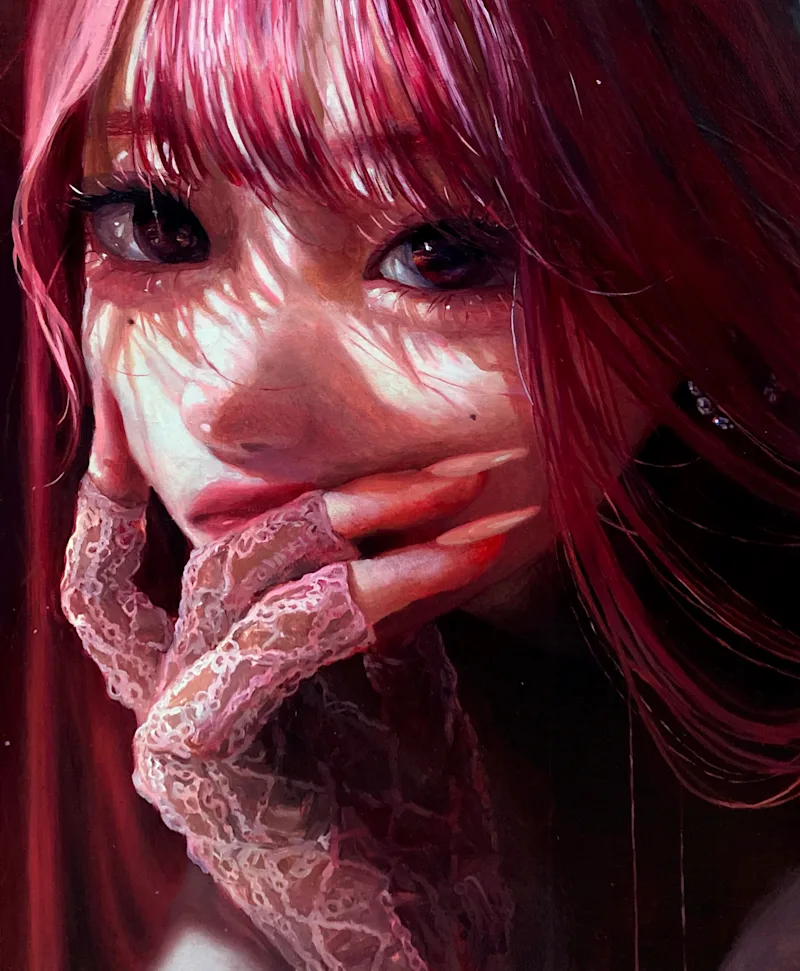
Someone, 2025, Oil on canvas, 652 × 530 mm
YASUMURA Hinako
b. 2000
Yasumura Hinako uses a technique she calls “summoning and joining” to piece together debris washed ashore from the ocean, reshaping it into a single form. When she applies this restoration technique—which involves summoning fragments from another vessel to fill the gaps in a broken one—to driftwood that has lost both its original location and purpose, time and geography from different origins begin to coexist within a single outline. Born in Hiroshima Prefecture in 2000.
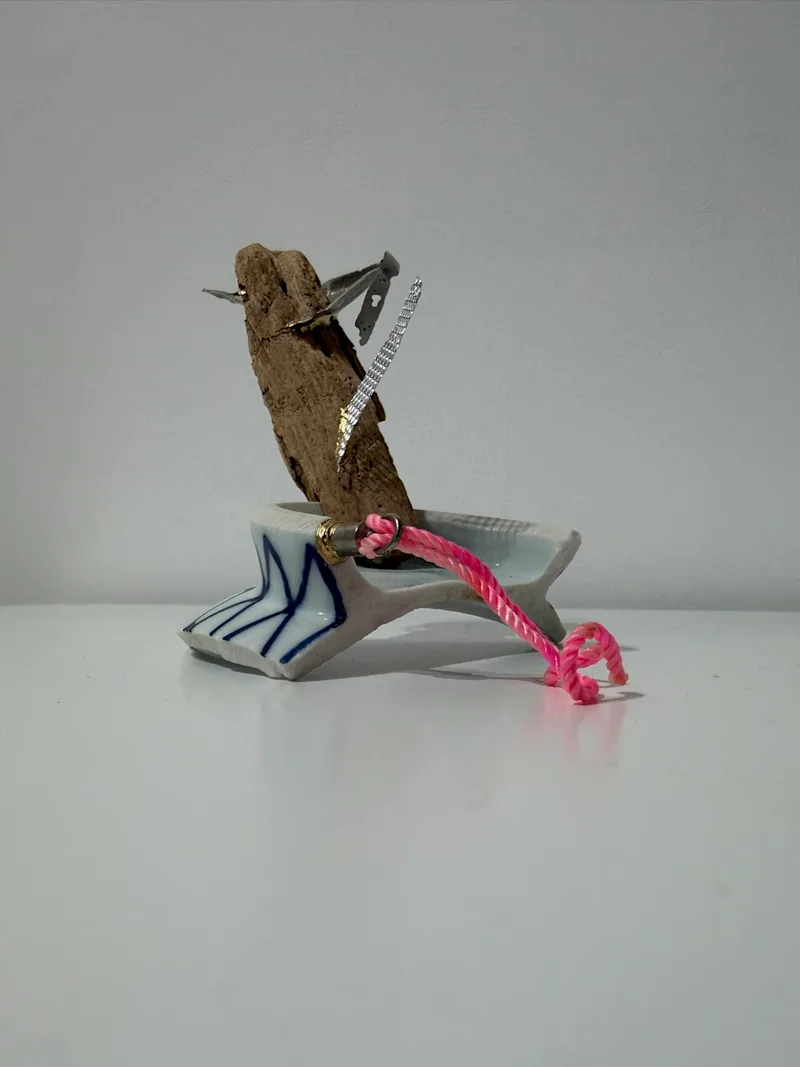
Taranu ga yoshi #7, 2026, Driftwood and found objects, joined with kintsugi (yobitsugi), 83 × 105 × 85 mm
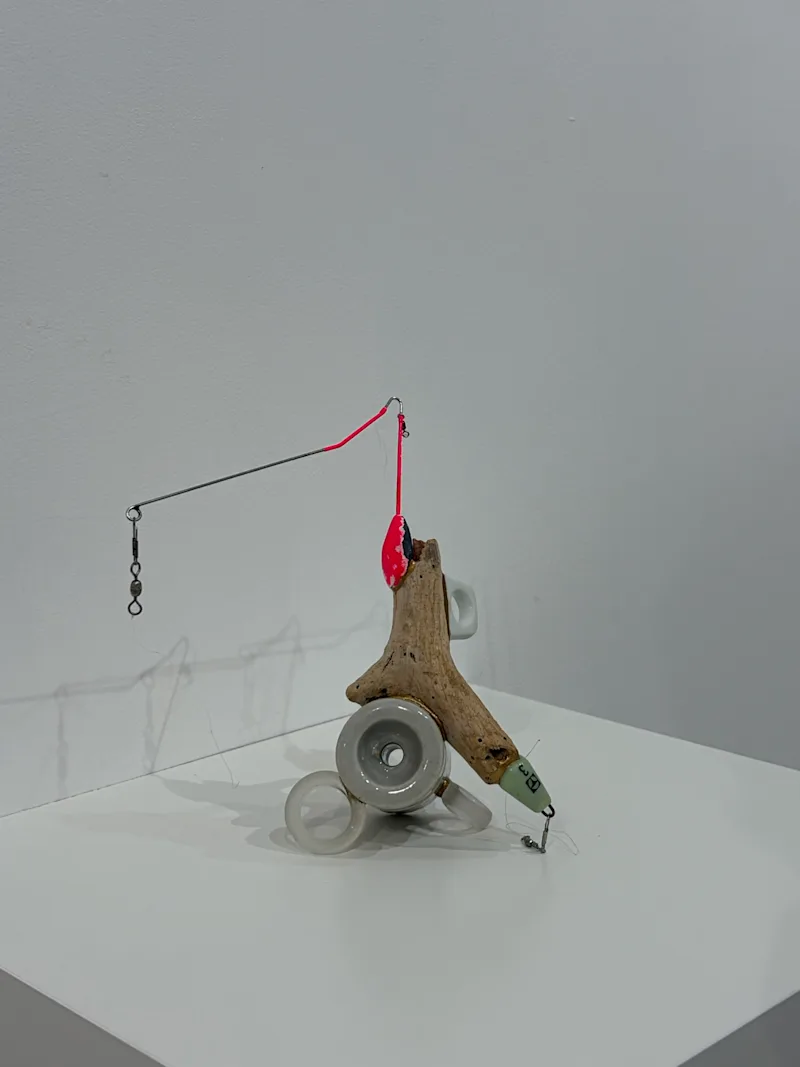
Taranu ga yoshi #5, 2024, Driftwood and found objects, joined with kintsugi (yobitsugi), 145 × 110 × 100 mm